大藏經研究會
漢文仏教典籍の網羅的研究を通じて、
東アジア仏教文化の継承と発展に貢献する。
Advancing comprehensive research on the Chinese Buddhist Canon
and contributing to the preservation and development of Buddhist culture in East Asia.
漢文仏教典籍の網羅的研究を通じて、
東アジア仏教文化の継承と発展に貢献する。
Advancing comprehensive research on the Chinese Buddhist Canon
and contributing to the preservation and development of Buddhist culture in East Asia.
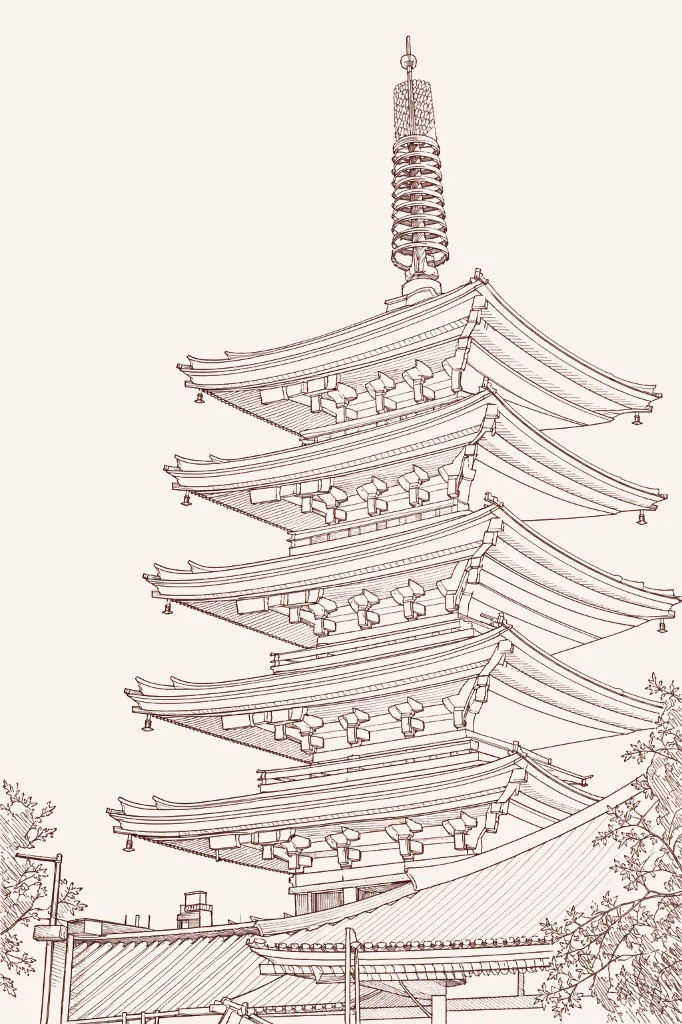
漢文大蔵経とは、歴代の漢訳仏典を基盤として編纂され、一定の構造と規範に基づいて体系的に配列された、漢文仏教典籍および関連文献の叢書である。その歴史的展開は、書物の形態に着目すれば、写本・刊本・近代印刷本・デジタル版の四期に大別される。
なかでも、十世紀後半以降に成立した刊本大蔵経は、東アジアにおける仏教の伝承と研究の発展を支える基盤として、極めて重要な役割を果たしてきた。
大蔵経研究会は、東アジアにおける漢文大蔵経の編纂・流通・受容に関する研究を推進し、国内外の研究者の交流を図ることを目的として設立された学術研究団体である。
本研究会は、漢文仏教典籍の網羅的研究を通じて、東アジア仏教文化の継承と発展に寄与するとともに、国際的な学術交流の促進を図ることを基本理念とする。また、個別典籍の文献学的研究を基盤としつつ、大蔵経の形成と展開をめぐる歴史的・文化的諸問題を総合的に考察し、国際的研究ネットワークの形成を目指す。
なお、本研究会の一部活動は、JSPS科研費基盤研究(C)「元代官版大蔵経の総合的研究と大蔵経系譜論の再考」(課題番号:22K00060;2022~2025年度)及びJSPS科研費 基盤研究(A)「日本現存元版普寧蔵の調査とその成立と受容に関する総合的研究」(課題番号:26H01893;2026~2030年度)の助成を受けて実施されている。
The Chinese Buddhist Canon constitutes a comprehensive corpus of Buddhist scriptures compiled over successive historical periods. Centered on, but not limited to, Chinese translations of Buddhist texts, it is systematically organized in accordance with established structures and editorial principles, forming a coherent body of Buddhist literature and related works. From the perspective of material form, its historical development may be broadly divided into four stages: manuscript, printed edition, modern print, and digital edition.
Among these, the printed editions of the canon that emerged from the late tenth century onward played an exceptionally important role as a foundation supporting the transmission of Buddhism and the development of Buddhist studies across East Asia.
The Association for the Study of the Buddhist Canon is an academic organization established to promote research on the compilation, circulation, and reception of the Chinese Buddhist Canon in East Asia, and to facilitate scholarly exchange among researchers both within Japan and internationally.
The Association is founded on the principle of contributing to the preservation and development of Buddhist culture in East Asia through comprehensive research on Chinese Buddhist texts, while also promoting international scholarly exchange. At the same time, it advances philological studies of individual texts and undertakes comprehensive investigations into the historical and cultural processes underlying the formation and transmission of the Buddhist Canon, with the aim of fostering an international research network in this field.
Some of the activities of the Association are supported by JSPS KAKENHI Grant-in-Aid for Scientific Research (C), “A comprehensive study of the Yuan Imperially-Sponsored Buddhist Canon and reconsideration of the lineages of Chinese Buddhist Canons” (Grant Number: 22K00060; 2022-2025), and JSPS KAKENHI Grant-in-Aid for Scientific Research (A), "A Comprehensive Study of the Yuan-Dynasty Puning Canon Preserved in Japan: Its Formation and Reception" (Grant Number: 26H01893; 2026-2030).
科研費助成による研究プロジェクト
Research Project Supported by JSPS KAKENHI
JSPS基盤研究(A)(一般) 課題番号26H01893 2026~2030年度
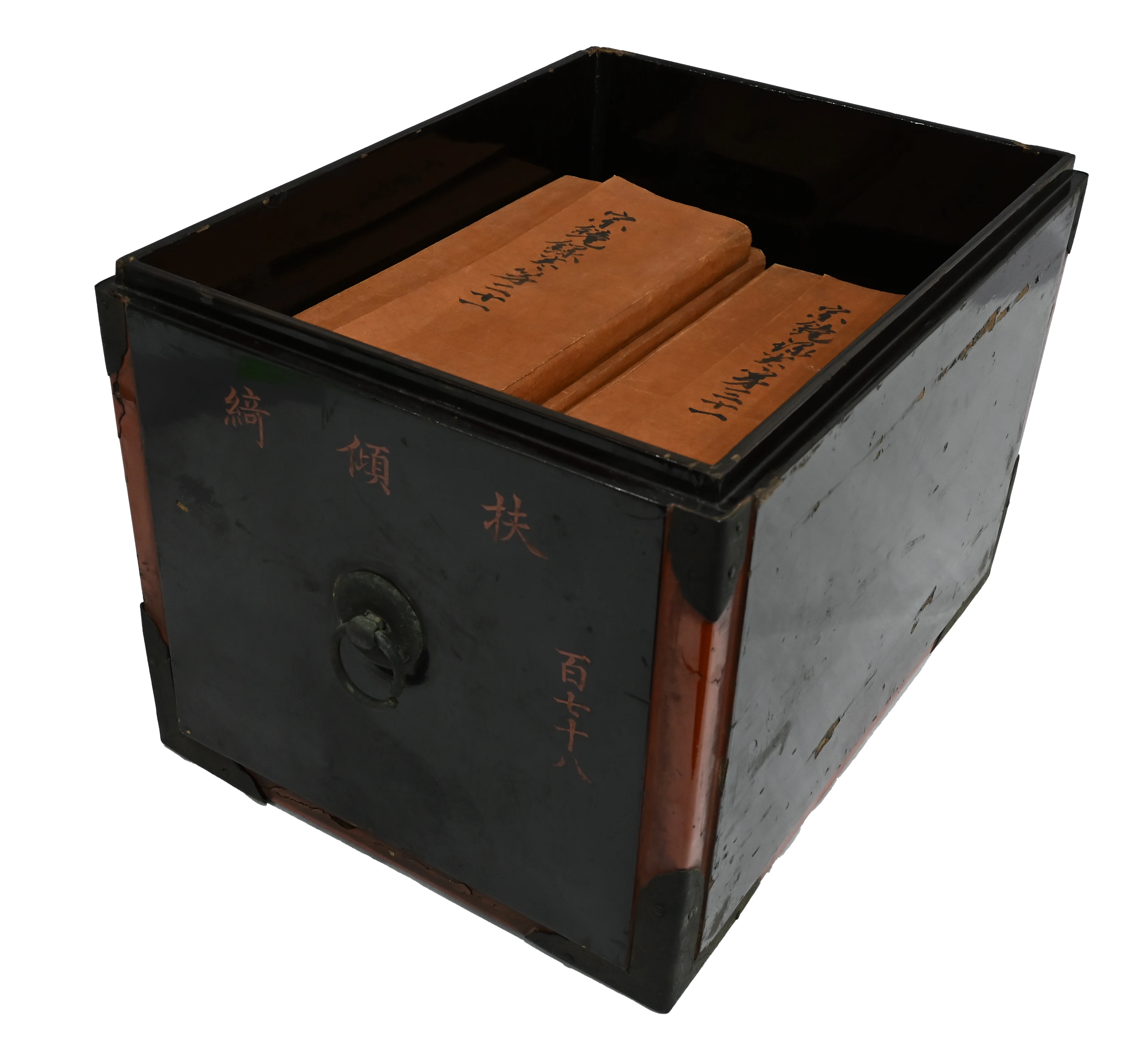
本研究は、日本・中国・朝鮮など東アジア地域の仏教が依拠してきた漢文仏教資料の集成である「大蔵経」のうち、13世紀に中国杭州の大普寧寺において刊行された漢文大蔵経(以下、「普寧蔵」と略称)に焦点を当てるものである。特に、14世紀初頭に鎌倉・鶴岡八幡宮に伝来し、明治四年からは東京・浅草寺に収蔵されてきた普寧蔵を対象とする原本調査と基礎的研究を主軸とし、普寧蔵がいかに形成され、伝播し、日本においてどのように受容され、展開していったのかを、文化史的・学術的な観点から総合的に解明することを目的とする。更に、浅草寺所蔵の普寧蔵に対する全体的な調査と研究を踏まえて、当該大蔵経を主体とする、全文影像データベースを新たに構築し、書誌データベース等との連携を通じて、漢文仏教資料のプラットフォームを創出することを目指す。
研究代表者
研究分担者
研究協力者
研究補助(RA)
Grant Number: 26H01893 · 2026–2030
This project focuses on the Chinese Buddhist Canon known as the Puning Canon, a printed edition produced in the thirteenth century at Dapuning Temple in Hangzhou, China. As part of the broader corpus of Chinese Buddhist texts that have historically underpinned Buddhist traditions across East Asia—including Japan, China, and Korea—the Puning Canon represents a significant case for examining the formation and transmission of the Buddhist canon. Particular emphasis is placed on the set of the Puning Canon transmitted to Tsurugaoka Hachimangū in Kamakura in the early fourteenth century and preserved at Sensō-ji Temple in Tokyo since 1871. Through comprehensive on-site investigation and foundational research, this project aims to elucidate how the Puning Canon was produced, transmitted, received, and further developed in Japan from both historical and scholarly perspectives. Building upon the systematic study of the Puning Canon held at Sensō-ji Temple, the project also seeks to develop a Full-image Digital Database of the canon. By integrating this resource with the Bibliographical Database and related digital tools, the project aims to establish a research platform for Chinese Buddhist textual materials.
Principal Investigator
Co-Investigators
Research Collaborators
Research Assistants (RA)
JSPS基盤研究(C)(一般) 課題番号22K00060 2022~2025年度
Grant-in-Aid for Scientific Research (C) · Grant Number: 22K00060 · 2022–2025
本研究は、元代の官版大蔵経(以下、「元官蔵」と略す)に焦点を当て、それが刊本大蔵経等を含めた漢文仏教テキスト全体において如何なる地位を占め、如何なる意義を担っているのかを、文化史的・学術的な観点から総合的に解明することを目的としている。更に「元官蔵」というケーススタディを通して、従来の大蔵経系譜論における問題点を明らかにし、新たな研究スキームを考案することを目指してきた。最終年度には、大蔵経の書誌に特化したデータベースを作成し、更に単著『宋元版大蔵経研究』(2026年3月31日、京都:法藏館)として刊行した。また、浅草寺蔵元版普寧蔵の調査を数回にわたり実施した。
本研究の核心的な問いは、「元官蔵に注目することによって、元代大蔵経の個性、その漢文大蔵経史上における独自の意義を見出すことは可能になるか」というものである。北宋において最初の版本大蔵経が成立して以降、遼・金・南宋の諸王朝においても版本大蔵経が刊行されたが、それらは、概ね「北方系統」や「南方系統」等に分類されてきた。これに対し、本研究の成果として明らかになったのは、元官蔵は、明確な編集方針に基づいて、北方系と南方系の双方の特徴を融合的に継承しようとしていたことである。即ち、それまでは東ユーラシアの南と北に並行して展開していた二系統を統合しようとする意志が、元官蔵の編集方針の根底にあり、それが初めて具現化されていくのである。その過程を総体として捉えることは、東ユーラシアに久々に登場した統一王朝である元の時代において、大蔵経という国家的文化事業がいかに構想され、具現化されていったのかを解明することに他ならない。
当初の計画では令和8(2026)年度まで継続する予定であった。しかしながら、本研究を進めたところ、今後の課題は残しつつも、既に、その核心的な問いに関する、一定の解答は得ることができたのである。そして、申請者は、これまでの大蔵経研究の成果を総括する単著『宋元版大蔵経研究』(京都:法藏館、2026年3月)において、大蔵経研究に新たな地平を拓くために必要となる方法として、「テキストの系譜」と「歴史的系譜」という二つの視点を導入した上で、それらを統合して、大蔵経という事象を総体的に捉えることを提案するに至ったのである。
この研究スキームは、元官蔵について研究を進める過程で着想された仮説であるが、現存数の少ない元官蔵だけを研究対象としていては、その有効性を十分に検証することは困難である。従って、同じく元代に製作され、日本国内に多数の伝存が確認されている普寧蔵、特に製作完了時の規模をほぼ保存している浅草寺本は、この新たな研究スキームを実際に適用し、その有効性を検証するためには、まさに理想的な研究対象なのである。以上の理由により、次なる研究ステージへ移行すべく、現在進行中の継続課題を廃止し、新たな研究課題の実施に至った。
研究代表者
This study focuses on the Yuan-dynasty official printed Buddhist Canon (hereafter abbreviated as the Yuan Official Canon) and aims to comprehensively elucidate, from both cultural-historical and scholarly perspectives, the position it occupies and the significance it holds within the broader corpus of Chinese Buddhist texts, including printed Buddhist canons. Furthermore, through the case study of the Yuan Official Canon, this project has sought to identify the problems inherent in conventional genealogical approaches to Buddhist Canon studies and to develop a new research framework.
In the final year of the project, a specialized bibliographical database dedicated to Buddhist canons was constructed. In addition, the results of the research were published in the form of a monograph entitled Studies on Song–Yuan Printed Buddhist Canons (Kyoto: Hōzōkan, March 31, 2026). Several surveys of the Yuan-period Puning Canon preserved at Sensō-ji were also conducted.
The central question of this project has been whether focusing on the Yuan Official Canon makes it possible to identify the distinctive characteristics of Yuan-dynasty Buddhist canons and to clarify their unique significance within the history of Chinese Buddhist canons. After the establishment of the first printed Buddhist canon during the Northern Song dynasty, various printed canons were subsequently produced under the Liao, Jin, and Southern Song dynasties. These have generally been classified into such categories as the “Northern lineage” and the “Southern lineage.” In contrast, one of the major findings of this study is that the Yuan Official Canon, based on a clearly articulated editorial policy, attempted to integratively inherit and synthesize characteristics from both the northern and southern traditions. In other words, the editorial principles underlying the Yuan Official Canon embodied, for the first time, a conscious effort to unify the two lineages that had previously developed in parallel across northern and southern Eastern Eurasia. To grasp this process in its entirety is, in effect, to clarify how the Buddhist Canon, as a state-sponsored cultural enterprise, was conceived and realized during the Yuan dynasty, the first reunified empire to emerge in Eastern Eurasia after a long period of political division.
According to the original plan, the project was scheduled to continue through FY2026. However, as the research progressed, it became clear that, although many issues remain for future investigation, a certain degree of resolution had already been achieved with regard to its central question. In the monograph Studies on Song–Yuan Printed Buddhist Canons (Kyoto: Hōzōkan, March 2026), which synthesizes the results of the applicant’s previous research on Buddhist canons, the author introduced two analytical perspectives necessary for opening new horizons in Buddhist Canon studies: “textual genealogy” and “historical genealogy.” The monograph further proposed integrating these two perspectives in order to grasp the phenomenon of the Buddhist Canon in a comprehensive and holistic manner.
Although this research framework was initially conceived through the study of the Yuan Official Canon, its effectiveness cannot be sufficiently verified if research remains limited to the relatively small number of extant copies of that canon. Accordingly, the Puning Canon, which was likewise produced during the Yuan dynasty and survives in relatively large numbers in Japan, constitutes an ideal subject for applying and testing this new research framework. In particular, the Puning Canon in Sensō-ji, which preserves nearly the full scale of the canon at the time of its completion, offers exceptionally valuable materials for this purpose. For these reasons, in order to move toward the next stage of research, the currently ongoing continuing project was terminated and replaced with a new research project.
Principal Investigator
Books
Chi, Limei. Studies on the Song–Yuan Editions of the Chinese Buddhist Canon. Kyoto: Hōzōkan, 2026.
[Table of Contents and Afterword (PDF)]・論文
Papers
(今後掲載)
(Forthcoming)
・講演・発表
Presentations
(今後掲載)
(Forthcoming)
・図書
Books
(今後掲載)
(Forthcoming)
・論文
Papers
(今後掲載)
(Forthcoming)
・講演・発表
Presentations
(今後掲載)
(Forthcoming)
研究会事務局
Administrative Office
〒112-0003
東京都文京区春日2-8-9
国際仏教学大学院大学共同研究室2
International College for Postgraduate Buddhist Studies
Kyōdō Kenkyūshitsu 2
2-8-9 Kasuga, Bunkyo-ku
Tokyo 112-0003, Japan
daizoken2026[at]gmail.com
(※[at]を@に変換してご使用下さい)
daizoken2026[at]gmail.com
(※Replace [at] with @)